 CountyofSB.org

If We Can’t Reach You, We Can’t Alert You
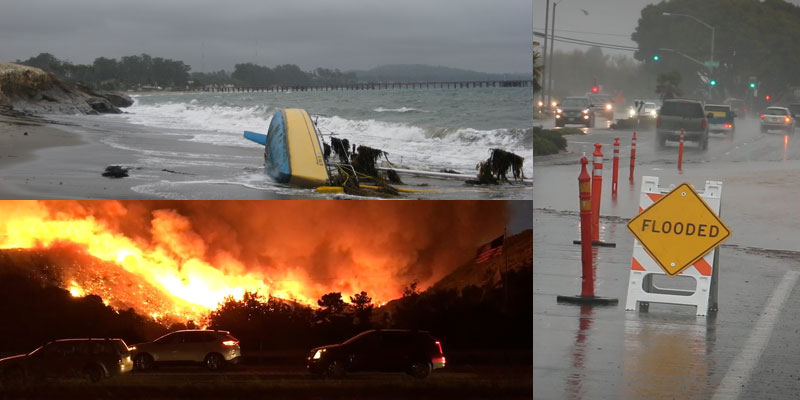
One of the very few downsides of living in beautiful Santa Barbara County is our long history of major wildfires. When fires and other emergencies happen, it is vitally important that we be able to warn you and keep you informed. Our best tool for this is the Aware and Prepare system, but you have to sign up. Through Aware and Prepare, we can alert you by landline, cell phone and email. Every resident of Santa Barbara County should be signed up to receive important Aware and Prepare Emergency Notifications. Do not hesitate, click on the link below and sign up today.
 (opens in a new tab)
The Sheriff’s Office would also like to have direct correspondence with you via our Nixle alert system. We can send our press releases and other important emergency information directly to you via text or e-mail Sign up below for our Nixle alerts from the Santa Barbara County Sheriff & other public safety agencies in your area: It’s super easy and you will be grateful you are informed about what is happening directly from your Sheriff’s Office.
SBSO X Feed


The Santa Barbara County Sheriff’s Office is investigating the death of a 68-year-old incarcerated man who was found unresponsive in his cell at the Northern Branch Jail.
Follow this link to read more:
Notice of In-Custody Death – Santa Barbara County Sheriff's Office
Proud to Protect and Serve Santa Barbara County The men and women of the Santa Barbara County Sheriff’s Office ...
www.sbsheriff.org
Santa Barbara Sheriff’s Office Announces 1988 Cold Case Investigation Reopened. Click here to read more:

Santa Barbara Sheriff’s Office Announces 1988 Cold Case Investigation Reopened – Santa Barbara...
Proud to Protect and Serve Santa Barbara County The men and women of the Santa Barbara County Sheriff’s Office ...
www.sbsheriff.org
SBSO Instagram Feed
Small but mighty. 🔬🧬🔎
This National Forensic Science Week, we’re celebrating the small team that does some seriously detailed work behind the scenes.
From late-night callouts and long hours processing evidence to meticulous work in the lab, our Forensics Team brings professionalism, expertise and dedication to every scene. And when you spend that many hours working side-by-side, coworkers have a way of becoming friends.
Thank you to our Forensics Team for the skill, patience and teamwork you bring to the Sheriff’s Office every day — and every night the phone rings. 💚
#NationalForensicScienceWeek #ForensicScience #Forensics #SBSheriff #Teamwork


Deputies joined members of the Armed Forces for the ceremonial coin toss at tonight’s Dos Pueblos High School football game. Thank you, Dos Pueblos, for honoring our military service members and local law enforcement! 🇺🇸🏈

National Police Woman Day — Santa Barbara County Sheriff’s Office
Today, we honor the women of the Santa Barbara County Sheriff’s Office — the women who wear the badge, serve our communities, lead from the front, and set the standard for professionalism in public safety.
We also honor the women behind the badge — the dispatchers, analysts, technicians, professional staff, and family members whose strength, skill, and support make our mission possible every single day.
Their impact is felt in every division: patrol, investigations, custody, coroner, search and rescue, forensics, behavioral sciences, community outreach, and the countless roles that keep this organization moving forward.
To every woman who serves, supports, and stands with the Sheriff’s Office — thank you for your dedication, your leadership, and your commitment to Santa Barbara County.

National Night Out was a great reminder of what makes Santa Barbara County special—strong partnerships, great conversations, and communities that come together. 🚔🌙
From bubbles and smiles in Santa Barbara to “magic hands” in Lompoc, we loved spending the evening connecting with residents, answering questions, and meeting so many families. 🫧 🪄✋🏼
Thank you to everyone who stopped by our booth, said hello, and helped make National Night Out another memorable evening. We appreciate the opportunity to build relationships that make our communities stronger and safer every day.

Congratulations to Sergeant Kemp on graduating from the Sherman Block Supervisory Leadership Institute (SLI)!
Over the course of this intensive program, Sgt. Kemp strengthened the leadership skills, decision-making, and professional development that help build stronger teams and better serve our community. We are proud to see our leaders continue investing in their growth and bringing that knowledge back to the Santa Barbara County Sheriff’s Office.
Please join us in congratulating Sgt. Kemp on this well-earned achievement! 👏🎓💚💛

☕ Coffee, conversation, and community ☕
Join us this Saturday, July 11 from 9–11 a.m. at Gina’s Piece of Cake in Orcutt for Coffee with the Crew!
Stop by, grab a cup of coffee, and spend the morning with your Santa Barbara County Sheriff’s Office deputies and County Fire firefighters. No speeches, no agenda — just a chance to ask questions, share what’s on your mind, or simply say hello.
We hope to see you there! ☕🚒⭐️

When life gives you lemons… call for backup. 🍋🚓
Our deputies made a sweet stop at a neighborhood lemonade stand while out on patrol. Summer is in full swing, and we love seeing kids out creating memories, meeting neighbors, and sharing a little kindness one cup at a time.

📞 What really happens after you call the Sheriff’s Office ?
In this edition of Sheriff’s Mini Roundup, From Ring to Response, we take you behind the scenes to show how a call for service is created, prioritized, and dispatched to deputies. It’s a quick look at the people and technology working together to get help where it’s needed.
Watch now and see what happens between the ring of the phone and the arrival of a deputy.
